Photo credit: Unknown.
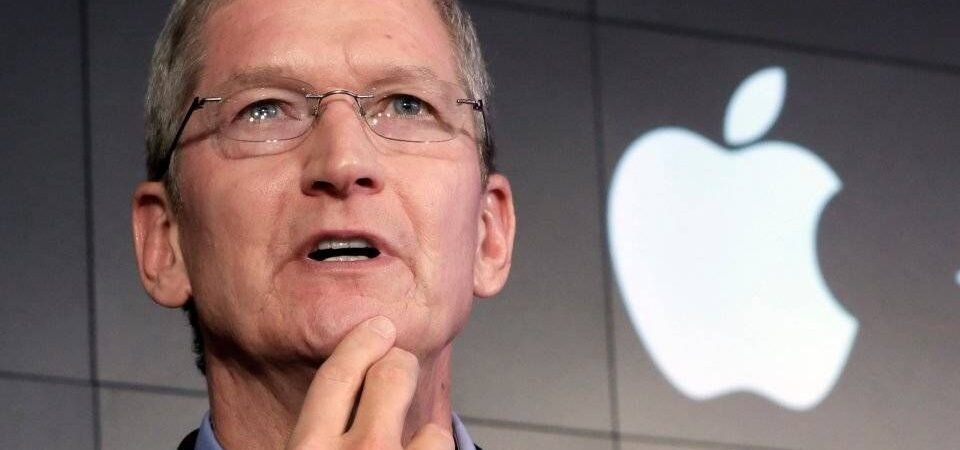
From Steve Jobs’s handpicked successor to Apple’s longest-serving modern CEO, Tim Cook leaves the top job as John Ternus prepares to take over.
Introduction — The End of an Era
On September 1, 2026, Tim Cook will step down as CEO of Apple.
After leading the company for 15 years, Cook will move to a new role: Executive Chairman. This means he stays involved in major decisions but passes the daily leadership to someone else.
That person is John Ternus, Apple’s Senior Vice President of Hardware Engineering. Ternus has worked at Apple for more than 25 years.
The Apple board of directors said they unanimously approved this decision after careful planning over many years. This wasn’t a surprise move. It was planned.
But here’s the real question: How did a quiet operations expert become the person trusted to lead Steve Jobs’s Apple — and what happens now that he’s passing the torch?
Part 1 — Who Is Tim Cook?
To understand this story, you need to know who Tim Cook actually is.
Cook was born on November 1, 1960, in Mobile, Alabama. He grew up in Robertsdale, Alabama, where his father worked at a shipyard and his mother worked at a pharmacy. He was salutatorian of Robertsdale High School in 1978.
Cook studied industrial engineering at Auburn University, graduating in 1982, then earned an MBA from Duke University in 1988. Before joining Apple, he spent about 12 years working at IBM in the personal computer business, eventually becoming director of North American fulfillment. He also worked at Intelligent Electronics and Compaq.
When Cook joined Apple in March 1998, he wasn’t famous. He wasn’t a designer or inventor. He wasn’t someone who dreamed up new products.
He was an operations expert. That means he was really good at one thing: making sure a company could actually build and deliver what it promised.
This is important to understand: Apple didn’t hire Tim Cook to imagine the future. It hired him to make the future actually work.
Part 2 — Why Did Steve Jobs Hire Him? (The Complicated History)
When Tim Cook joined Apple, the company was in the middle of a comeback story.
Steve Jobs had a complicated history with Apple. He co-founded the company in 1976, but in 1985, he was forced out after a power struggle with the board and other executives. Jobs left bitter and angry.
For 12 years, he was gone. He founded a new computer company called NeXT and bought a small animation studio that became Pixar.
Then in 1997, Apple was dying. It was losing money. It had no clear direction. The company that Jobs had founded was failing without him. The board made a desperate move: they brought Jobs back.
By 1998, when Tim Cook joined, Jobs had just returned and was trying to rebuild Apple from scratch. The company was still losing money. It was still a mess. Cook said later in a 2010 Auburn University speech:
“Any purely rational consideration… lined up in Compaq’s favor. But no more than five minutes into my initial interview with Steve, I wanted to throw caution and logic to the wind and join Apple. My intuition already knew that joining Apple was a once-in-a-lifetime opportunity.”
Cook became Senior Vice President for Worldwide Operations. His job was to take Jobs’s vision and make it real at massive scale. He closed factories and warehouses, replacing them with contract manufacturers. He reduced the company’s inventory from months down to just days. He made advance investments in flash memory that would power the iPod, iPhone, and iPad.
Later, he ran worldwide sales and operations. In 2005, he became Chief Operating Officer — the second-most powerful job in the company.
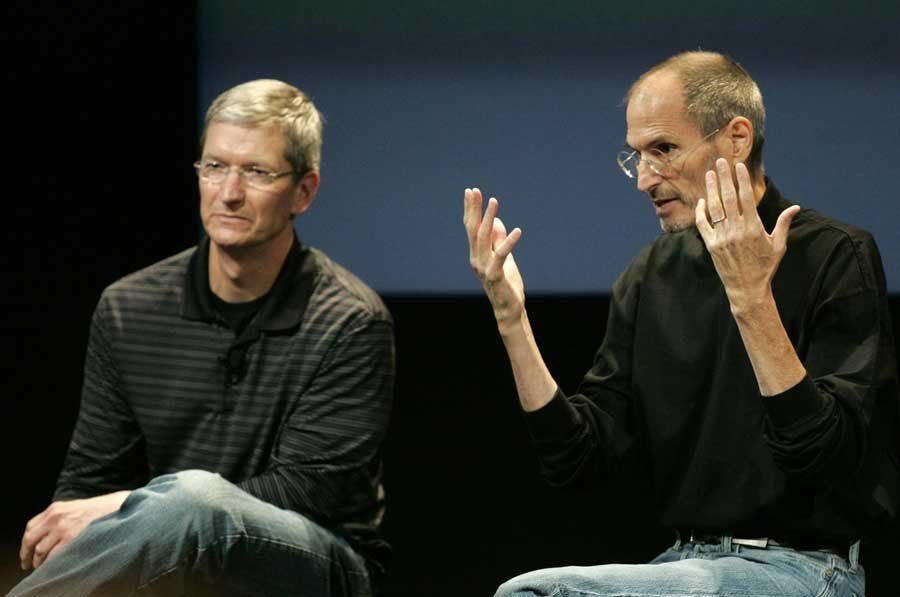
Here’s how different Jobs and Cook were:
Steve Jobs was the visionary. He imagined what Apple should be. He was intense. He controlled everything closely. He cared about every detail.
Tim Cook was the operator. He made sure what Jobs imagined could actually be built and delivered to millions of customers around the world. He organized supply chains. He managed factories. He coordinated global sales.
Without Jobs, there would be no vision. Without Cook, there would be no way to make that vision real.
They needed each other.
Part 3 — How Tim Cook Became CEO
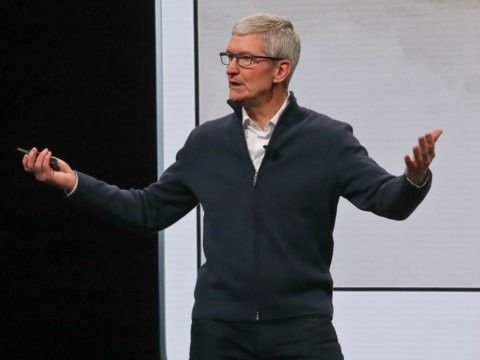
On August 24, 2011, Steve Jobs resigned as CEO. He was very sick. Six weeks later, on October 5, 2011, he died from complications of pancreatic cancer.
Apple appointed Tim Cook to replace him.
This was shocking to many people. Cook wasn’t a product person. He wasn’t famous. He wasn’t like Steve Jobs at all.
But Apple’s board knew something: Cook had already proven himself. During the years when Jobs was sick, Cook had stepped in as acting CEO multiple times. In January 2011, when Jobs requested a third medical leave, Cook was responsible for most of Apple’s day-to-day operations while Jobs made major decisions.
The company kept running smoothly. Products still shipped. Customers were still happy.
So when Jobs stepped down, the board didn’t hesitate. They knew Cook could do the job.
But this wasn’t an easy position. Cook wasn’t simply becoming CEO of any company. He was succeeding Steve Jobs. That’s one of the hardest jobs in the world.
Everyone was watching. Everyone was wondering: Can the operations guy lead a company built on innovation and design?
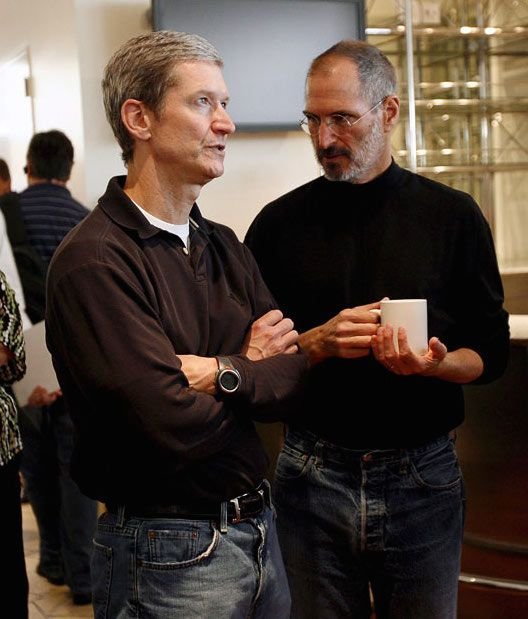
Part 4 — What Did Cook Do Differently From Jobs?
Here’s what surprised people: Tim Cook didn’t try to be Steve Jobs.
He couldn’t have even if he wanted to. He wasn’t a product designer. He didn’t have Jobs’s vision or intensity. But instead of pretending to be something he wasn’t, Cook did something different. He built Apple his own way.
Jobs ran Apple with tight control. He micromanaged everything. He made final decisions on details that most CEOs would never even see.
Cook developed a different leadership style. He was more collaborative. He built a team and trusted them. He created a culture where people could share ideas more openly. In May 2013, Cook said his leadership focused on three things: “people, strategy, and execution.”
Under Cook, Apple shipped and scaled products that became massive businesses:
- Apple Watch — a wearable device that tracks your health (development started before Cook but shipped under his leadership)
- AirPods — wireless earbuds that became wildly popular
- Apple Vision Pro — a device for virtual and augmented reality
- Apple Pay — a way to pay with your phone instead of a credit card
- Apple Music — Apple’s music streaming service
- iCloud — a system for storing photos and files in the cloud (in development before, but Cook made it core to Apple’s strategy)
The most important shift: Cook made Apple a services company in addition to a hardware company. This was the strategic bet that defined his era.
Services doesn’t mean replacing hardware. It means creating recurring revenue from subscriptions and ongoing products. In fiscal 2025, services brought in $109 billion — second only to iPhone at $210 billion — but with far better profit margins. This gave Apple’s business a second pillar, one that was more stable and more predictable.
That was Cook’s contribution: he didn’t just manage Apple. He built services into a $100+ billion business that changed how investors valued the company.
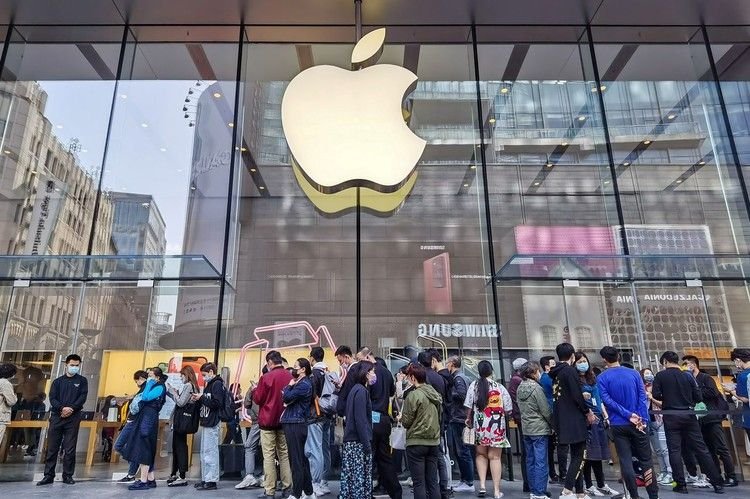
Part 5 — How Big Did Apple Become Under Cook?
The numbers tell the story.
When Cook became CEO in 2011:
- Apple’s market value: $348 billion
- Annual revenue: $108 billion
By fiscal 2025:
- Annual revenue: $416 billion
- iPhone revenue: $210 billion
- Services revenue: $109 billion
By 2026, as Cook stepped down, Apple’s market value had exceeded $4 trillion.
In 15 years, Cook took a company worth $348 billion and made it worth 11 times more valuable. Revenue nearly quadrupled.
Cook didn’t try to be Steve Jobs. He did something harder: he took Jobs’s Apple and made it bigger, more diverse, and more profitable. He expanded into new categories. He moved Apple into services. He made it work in different ways.
Not everyone was happy about all of Cook’s decisions. Some people criticized Apple for becoming too corporate, too focused on profit, not focused enough on pure innovation like Jobs had been. In 2016, some analysts even compared Cook to Microsoft’s Steve Ballmer, saying innovation had slowed.
But the numbers don’t lie: Under Tim Cook, Apple became the most valuable company in the world. It controlled a massive share of how people interact with technology every single day.
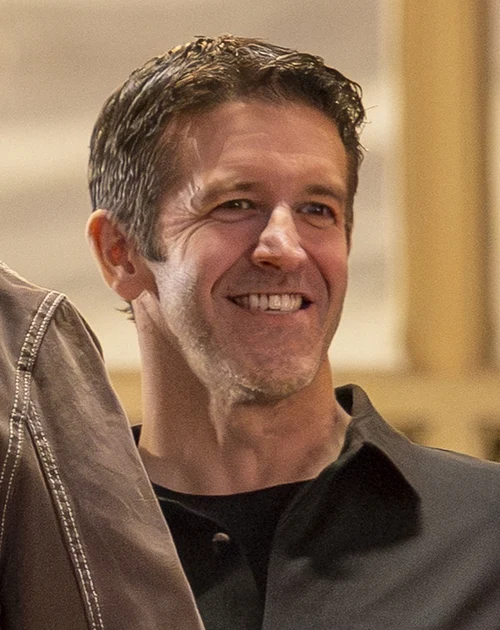
Part 6 — Who Is John Ternus?
Now Apple needs a new CEO. That person is John Ternus.
Ternus studied mechanical engineering at the University of Pennsylvania. Before joining Apple, he worked as a mechanical engineer at Virtual Research Systems.
But here’s what matters: Ternus has been at Apple for more than 25 years. He wasn’t hired from outside. He grew up inside Apple. He worked under both Steve Jobs and Tim Cook.
As Senior Vice President of Hardware Engineering, Ternus has led the engineering of Apple’s products. That’s a huge responsibility. It touches everything: iPhones, iPads, Macs, AirPods, Apple Watch — everything physical that Apple makes.
The Apple board said Ternus is “the best possible leader for Apple’s next chapter.” They highlighted three things about him: leadership, technical knowledge, and focus on products.
But here’s what Ternus actually inherits: a company facing real challenges.
The iPhone, Apple’s cash cow, hasn’t fundamentally changed in years. It’s incremental updates on the same design. Competitors like Samsung are racing ahead on AI integration. The foldable phone market is growing while Apple watches. Apple’s design language, once revolutionary under Jobs, now feels cautious.
Services is growing, but it can’t replace hardware innovation. People buy iPhones because of what they can do, not because of what Apple’s subscription service offers.
Ternus has spent 25 years rising through Apple’s hardware organization, overseeing the engineering of everything from iPod to iPhone to the latest generation of services-integrated devices. He knows how things get built. He understands the technical reality underneath the product dreams.
Now he has to prove he can reinvent Apple’s core products. That’s the job he’s taking over. That’s the burden that comes with the title.
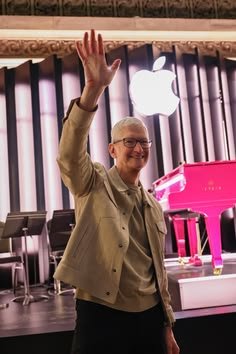
Part 7 — What Happens Next
Here’s the truth: Nobody can really replace Tim Cook. Just like nobody could really replace Steve Jobs.
But the company continues.
Steve Jobs built Apple’s modern identity. He created the vision: beautiful products that changed how people interact with technology. He made Apple iconic.
Tim Cook took that iconic company and scaled it. He made it bigger. More profitable. More global. He proved Apple could survive and thrive without Jobs. He showed that you didn’t need to be a genius designer to lead Apple — you needed to understand scale, strategy, and execution.
Now John Ternus has a different challenge: he has to prove Apple can continue evolving. Not just surviving. Not just executing. But actually changing and growing and making new kinds of products that matter.
The question isn’t whether Apple can survive without Tim Cook. Of course it can. Apple is one of the most powerful companies in human history.
The real question is: Can Ternus make Apple’s next chapter as successful as Cook’s was?
Steve Jobs built Apple’s modern identity. Tim Cook scaled it. Now John Ternus has to decide where it goes next.
By The Lion Capital Editorial Team | August 2026