
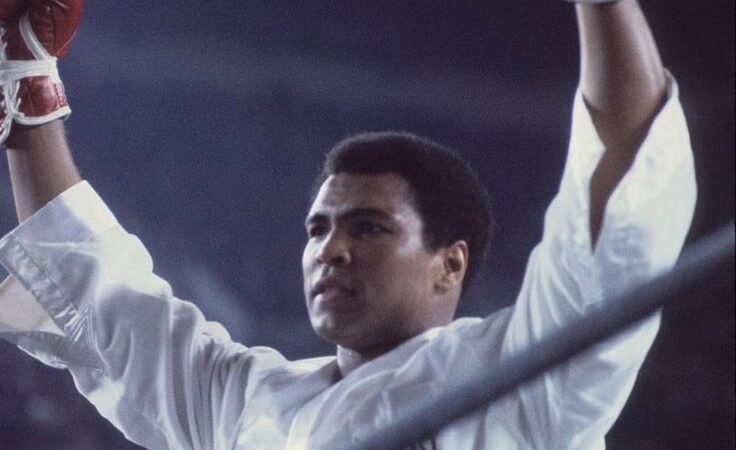
From a young boxer in Louisville to a three-time world heavyweight champion whose influence reached far beyond the ring.
Photo Credit: Source: Unknown
Introduction
Most people know the name Muhammad Ali. But do you know what made him truly great?
He was a boxer, yes. But more than that, he was a man who had to choose between what was easy and what was right. And he chose right, even when it cost him everything.
This is his story. It’s about boxing, but it’s really about courage. It’s about a person who believed in himself when nobody else did. And it’s about how one person can change the world.
Part 1: The Beginning—A Champion Is Born
A Poor Kid From Louisville
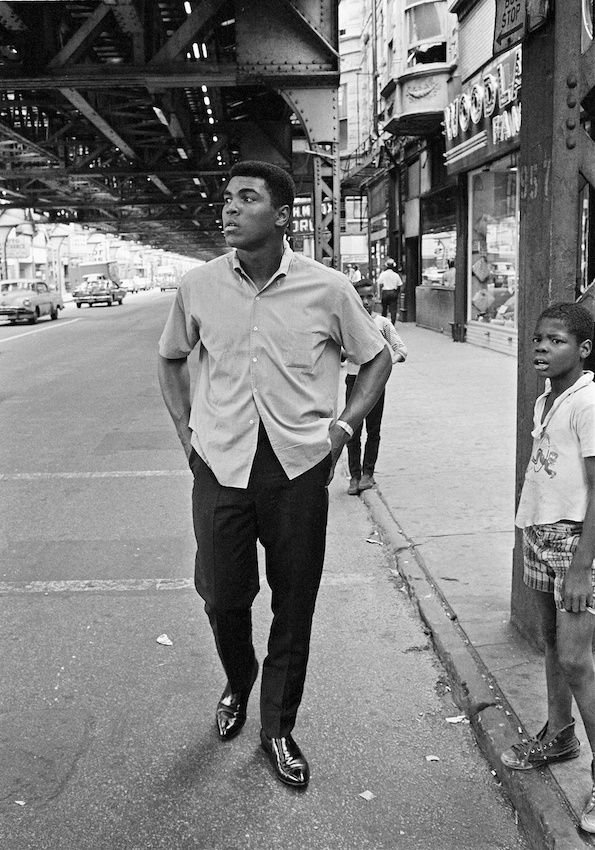
Cassius Marcellus Clay Jr. was born on January 17, 1942, in Louisville, Kentucky. His family didn’t have much money. His father painted billboards. His mother took care of other people’s homes.
But his parents gave him something more valuable than money. They taught him to be proud. They taught him he mattered.
Louisville was a hard place for a Black kid back then. People looked at him differently because of his skin color. Some wouldn’t even let him eat in the same restaurants as white people. It wasn’t fair. It wasn’t right. But that was the world he was born into.
The Bike and the Gym
When Cassius was 12 years old, someone stole his bike. He was furious. He wanted revenge. He wanted to fight.
He walked into a boxing gym run by a man named Joe Martin. Cassius told him what happened. Joe smiled and said, “Let me teach you how to fight properly.”
That day changed everything.
Cassius fell in love with boxing immediately. He trained hard. He was different from other kids—faster, smarter, more confident. He knew he was going to be great. He just knew it.
The Kid Who Talked Too Much
By the time he was a teenager, Cassius was winning every fight. But he wasn’t like other boxers. He talked a lot. He boasted. He said he was “the greatest.”
Older boxers told him to be quiet and humble. But Cassius didn’t listen. He was confident. He was different. And people loved him—or hated him. Either way, they watched.
He won the Golden Gloves championship. He won the National championship. Everyone was talking about this young kid who talked big and fought even bigger.
1960 Olympic Gold
When Cassius was 18 years old, he represented the United States at the Olympic Games in Rome, Italy. He won the light heavyweight gold medal. He was the fastest, the smartest, the best.
He came home a champion. America cheered for him. He was a hero.
But somewhere deep inside, he knew something. He knew this country didn’t fully accept him. And that would change his life forever.
Part 2: The Rise—Becoming Muhammad Ali
A Boxer Like No One Before
Cassius Clay turned professional and started fighting the best heavyweights in the world. He was incredible. Opponents couldn’t touch him. He moved like he was dancing—fast, smooth, impossible to hit.
But he was also loud. He predicted which round he would win. He wrote poems about his opponents. He talked on television. He made boxing exciting.
Sports writers didn’t know what to do with him. Older boxers were angry. This kid was breaking all the rules. But fans loved him. Everyone wanted to see what Cassius Clay would do next.
The Day He Beat Sonny Liston
By 1964, there was one man standing between Cassius and the heavyweight championship: Sonny Liston.
Liston was scary. He was powerful. He had beaten everyone. People thought he would destroy the young Cassius Clay.
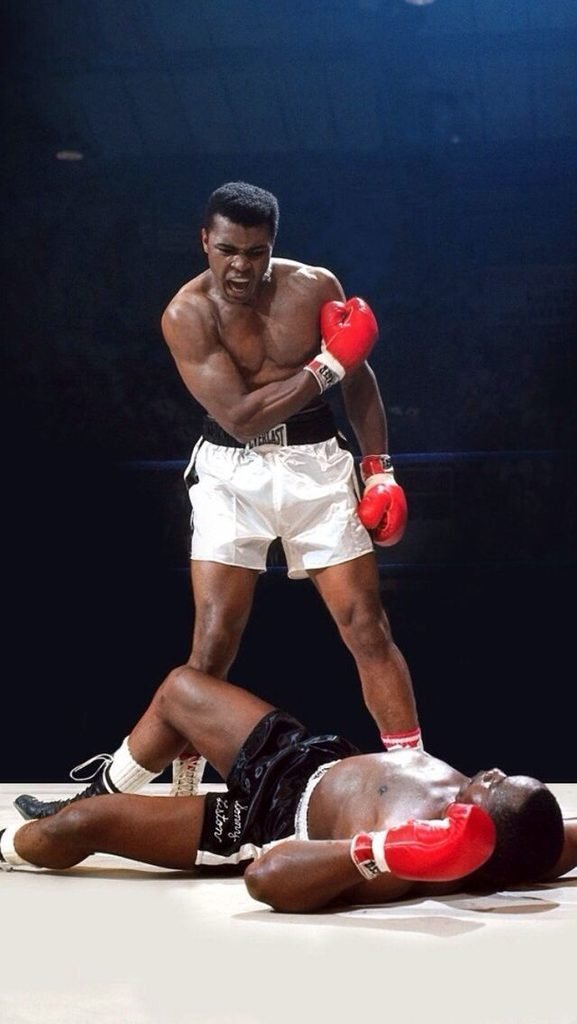
On February 25, 1964, they stepped into the ring.
Cassius was faster. He was smarter. He believed in himself. And on that night, he beat Sonny Liston.
He was now the heavyweight champion of the world. At just 22 years old.
The world watched in shock. Nobody expected this. But Cassius knew. He had always known.
Muhammad Ali Is Born
A few days after winning the championship, Cassius made an announcement. He had joined the Nation of Islam, and he had a new name: Muhammad Ali.
Many people didn’t understand. The Nation of Islam was controversial. Some people were angry. Some refused to call him by his new name. They said it wasn’t American.
But Muhammad Ali didn’t care. He was done with the name Cassius Clay. That name came from slave owners. He wanted a name that was his own. He wanted to be proud of who he was.
People could accept it or not. He wasn’t asking for permission.
The Greatest Boxer Alive
Muhammad Ali changed boxing forever. He created a style nobody had ever seen before. He would dance around the ring, moving so fast you could barely see him. “Float like a butterfly, sting like a bee,” he said. And that’s exactly what he did.
He was fast. He was intelligent. He was funny. He was a performer. He made boxing exciting. He made people want to watch.
He defended his title again and again. He beat fighter after fighter. Everyone knew they were watching something special.
But something bigger was about to happen. Something that would test him in a way no opponent ever could.
Part 3: The Fight Beyond the Ring
April 28, 1967
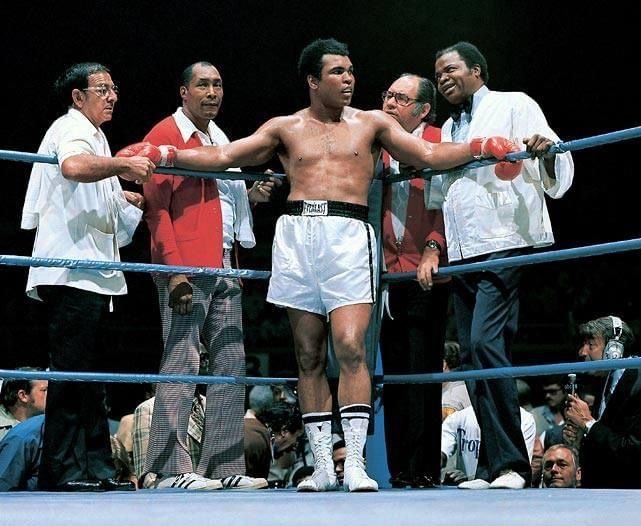
On April 28, 1967, the United States government told Muhammad Ali to join the military. The country was fighting a war in Vietnam. Young men were being drafted to fight and die.
Muhammad Ali said no.
He didn’t believe in that war. He didn’t think it was right. He said, “I ain’t got no quarrel with those Vietcong.”
The country exploded. Some people called him a hero. Others called him a traitor. They were furious. How dare he refuse? How dare he question the government?
But Muhammad Ali stood firm. He knew what he believed. And he wasn’t going to change just because people were angry.
Everything Gone
That same day, they took away his boxing license. They stripped him of his heavyweight title. They convicted him in court. He faced prison time.
For 3½ years, Muhammad Ali couldn’t fight. He couldn’t make money. He couldn’t do the thing he loved most.
Many people turned against him. They called him names. They said terrible things. Some refused to even acknowledge him.
But he didn’t break. He didn’t apologize for what he believed. He spoke at universities. He gave speeches. He told people why he made this choice.
His family stood by him. His wife Belinda was there during those dark years. She believed in him when the whole world seemed against him.
A Victory in Court
In October 1970, Muhammad Ali fought his way back into the ring. But his real battle was still happening in court.
On June 28, 1971, the Supreme Court of the United States ruled in his favor. His conviction was overturned. He was free.
But those 3½ years had cost him. He was older. He had lost millions of dollars. He had lost time he could never get back.
People wondered if he could still be great. After all those years away, after all that pain, could he still fight at the highest level?
The answer was yes.
Part 4: The Legacy
The Greatest Fights
When Muhammad Ali returned to boxing, people held their breath. Was he still the greatest?
In 1971, he fought Joe Frazier. It was brutal. Frazier won that fight. But Ali didn’t quit. They fought two more times. Their battles became legendary. These were two incredible athletes pushing each other to the absolute limit.
Then came George Foreman in 1974. Foreman was younger and stronger. Everyone thought it was over for Ali.
But Ali was clever. He let Foreman punch himself tired. Then, in the eighth round, he struck. He knocked Foreman down.
Muhammad Ali was champion again.
His professional record was 56 wins and 5 losses. He became the first man ever to win the heavyweight championship three times.
A Father, A Son, A Humanitarian
Muhammad Ali’s parents taught him everything. His father showed him how to be creative and bold. His mother showed him how to be strong and proud. He never forgot where he came from.
He was a father to nine children and wanted them to understand what he stood for—that doing what’s right is more important than being comfortable.
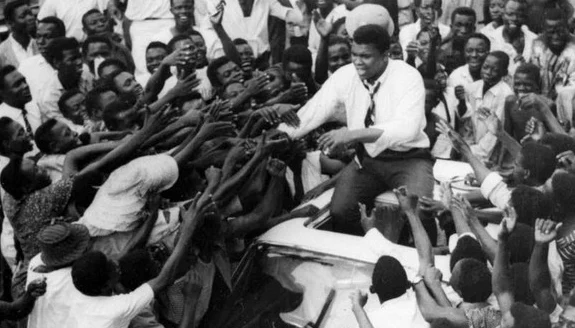
After he stopped fighting, he became a UN Messenger of Peace. He traveled the world. He visited children in hospitals. He spoke about ending war. He raised money for poor people. He showed that an athlete could care about more than just themselves.
He changed what athletes do. Before him, athletes stayed quiet about big issues. After him, they felt like they had a responsibility to speak up.
The Hard Truth
Let’s be honest: Muhammad Ali wasn’t perfect. He was married four times. His personal life had struggle and pain. The Nation of Islam, the group he joined, was controversial and said things many people disagreed with.
And the boxing itself—all those thousands of punches to the head—likely caused the illness that would come later.
Parkinson’s and After
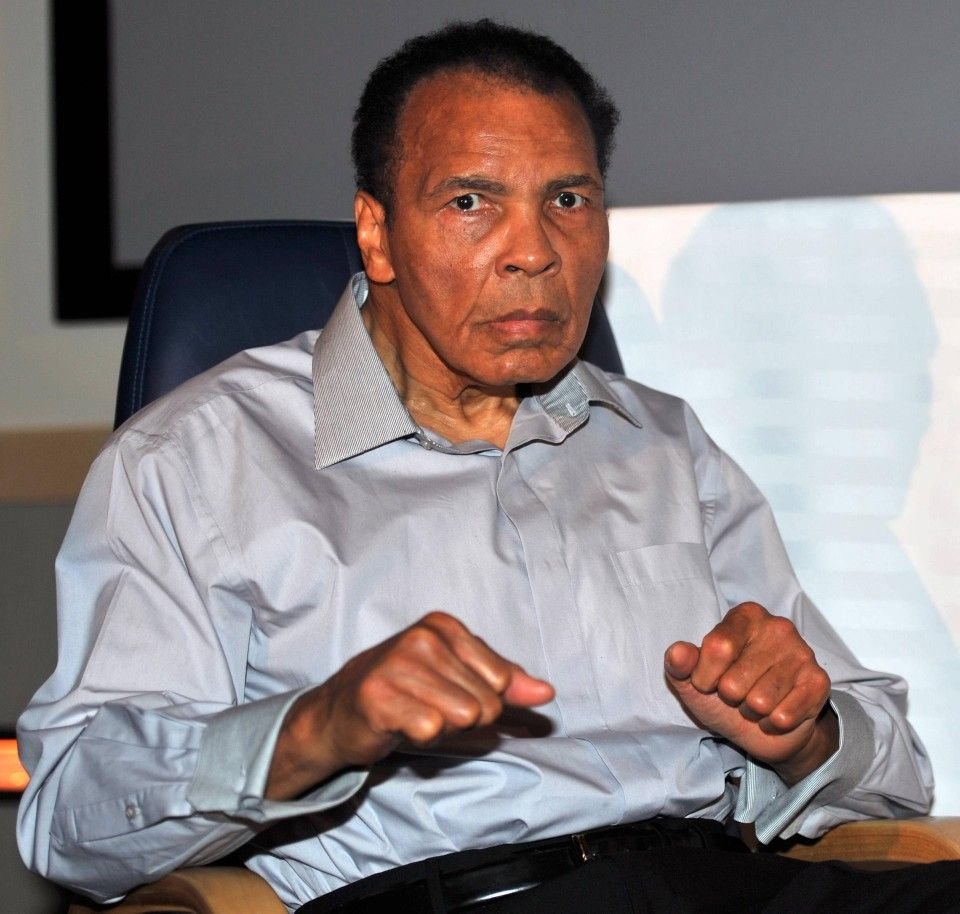
In 1984, doctors told Muhammad Ali he had Parkinson’s disease. This illness would slowly affect his body and mind.
Some people felt sad for him. But Ali didn’t want pity. He faced it the way he faced everything else—with courage.
His movements became slower. His speech became harder. But his spirit never weakened.
In 1996, at the Olympics in Atlanta, Muhammad Ali lit the Olympic torch. His hands shook. The whole world watched. Millions of people cried.
They weren’t crying because he was sick. They were crying because they were watching a man who refused to give up. Who stood tall even when his body was failing. Who showed incredible strength in a different way.
He spent his final years with his wife Lonnie, traveling and promoting peace. He signed autographs for fans. He visited schools. He showed people that life goes on, even when things are hard.
Muhammad Ali died on June 3, 2016. He was 74 years old.
Conclusion
Muhammad Ali won 56 boxing matches. He became heavyweight champion three times. He changed the sport of boxing forever.
But if that’s all he did, people would have forgotten him by now.
People remember Muhammad Ali because he stood up for what he believed in, even when it cost him everything. He was a young man who refused to fight in a war he didn’t believe in. He was willing to lose his title, his money, his freedom—because he had something more important than any of those things.
He believed in justice. He believed in peace. He believed in standing up for people who couldn’t stand up for themselves.
He showed young people, especially young Black Americans, that they could be proud. That they could speak up. That one person’s voice really can matter.
Was he perfect? No. Did he make mistakes? Yes. But he tried. He kept trying.
That’s what makes him someone people remember. Not that he was perfect. But that he was real, brave, and never stopped believing that change was possible.
Every time an athlete speaks up about what’s wrong with the world. Every time someone stands up for what they believe in, even though it’s hard. Every time someone refuses to be silent—that’s Muhammad Ali’s influence living on.
He showed us that being great isn’t just about winning. It’s about doing what’s right. It’s about never giving up. It’s about standing for something bigger than yourself.