Photo Credit: Social Media
Police shut metro stations, cut mobile internet and detained the leaders of the “Cockroach” youth movement to stop a protest demanding the resignation of India’s Chief Election Commissioner. The protesters say they have a right to protest. The police say permission was never given.
Central Delhi was locked down on Saturday, October 10, as authorities moved to stop a youth protest demanding the resignation of India’s Chief Election Commissioner, Gyanesh Kumar.
Thousands of police and paramilitary troops patrolled the centre of the capital. Metro stations were shut, mobile internet was suspended around the protest site, and markets were closed, Reuters reported.
Police detained the movement’s leaders as soon as they landed in Delhi, and went on to detain large numbers of protesters during the day.
The crackdown matters beyond one protest. It raises a hard question for the world’s largest democracy: when can the state stop people from gathering to criticise the official who runs its elections?
A capital under lockdown-like security
The protest was called by the Cockroach Janta Party (CJP), a youth movement that began as online satire. It had hoped to bring thousands of people to Jantar Mantar, the site in central Delhi officially set aside for protests, at 10 a.m.
Authorities moved first. According to Reuters:
- 57 metro stations were closed from Friday night.
- Several long-distance trains to Delhi were cancelled on Friday.
- Mobile internet was suspended within 4 kilometres of the protest area, from Friday night to Saturday night, under a government order reported by ANI.
- Barricades, tied together with ropes and chains, blocked the roads around Jantar Mantar.
Not all of Delhi was shut down. But the centre of the capital, where the protest was planned, was largely sealed off.
Protest leaders detained at the airport
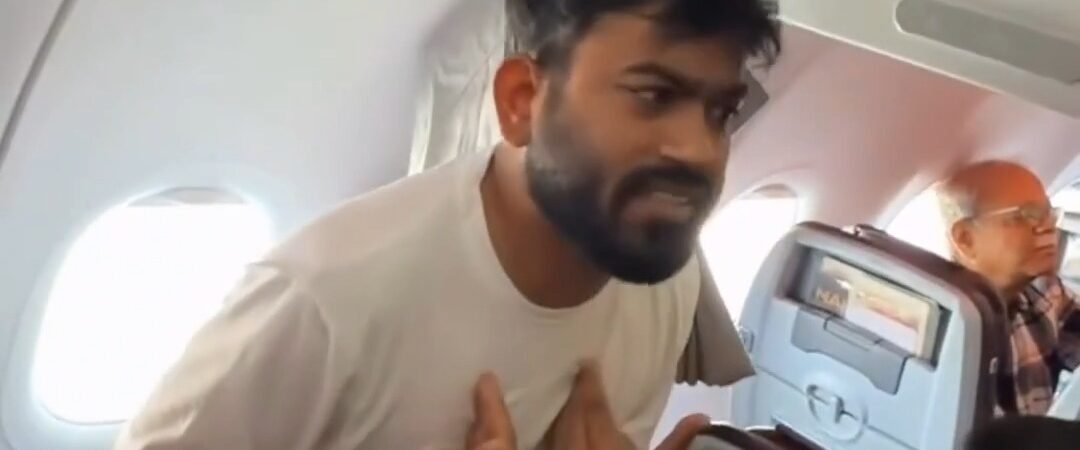
The movement’s founder, Abhijeet Dipke, and two senior leaders, Saurav Das and Ashutosh Ranka, were detained by police when their flight from Mumbai landed in Delhi, the group said in a statement, according to Al Arabiya. Video shared online appeared to show Dipke being detained on board the plane.
Through the day, police detained many more protesters near the site. Reuters described the number as “scores,” while Al Arabiya reported hundreds. Police have not given an official figure.
One protester asked reporters: “Why did you need to close all the railways, the metro, the internet has been closed, roads have been closed?”
Why police say they stopped it
Delhi Police said on Friday that they had refused permission for the protest, Reuters reported. They gave three reasons:
- The request for permission did not come in time.
- The CJP had broken promises it made during earlier protests.
- Authorities had to enforce the law and keep the peace.
Police also warned that anyone who broke the ban would face “the force of the law.”
CJP leaders rejected the decision. They said they would go ahead anyway, because protest is their fundamental right.
Why protesters want Gyanesh Kumar to go
The protests are about the Special Intensive Revision, or SIR, a nationwide check of India’s voter lists. Some 130 million names have been removed in the process, Reuters reported. The Election Commission says most of them were people who had died, moved or been registered twice.
Critics say it has also removed genuine voters, and that the changes favour Prime Minister Narendra Modi’s Bharatiya Janata Party (BJP).
These are allegations. The Election Commission and the BJP deny them. Kumar has not commented on the protests.
The latest wave began after a newspaper report that Kumar’s fellow commissioners had questioned and disagreed with him over how the revision was carried out. Opposition parties, which have long accused the government of trying to shape voter lists, quickly took up the cause. We covered that dispute in https://thelioncapital.org/gyanesh-kumar-under-scrutiny-14-objections-inside-election-commission-raise-questions-over-sir-and-voter-rolls
The politics behind it
For Modi’s government, the near-daily protests are a new problem, Reuters noted. Just months ago, a similar youth movement over exam paper leaks was followed by the resignation of the education minister.
The timing also matters. Key state elections begin in early 2027, including in Uttar Pradesh, India’s most populous state, which the BJP rules.
The BJP says Modi’s popularity and India’s economic growth explain its election wins, and accuses the opposition of misleading the country because it can’t win at the ballot box.
The right to protest, and public order
India’s Constitution gives every citizen the right to gather peacefully. It also allows the state to place “reasonable restrictions” on that right, for example to keep public order.
That’s the line both sides are now fighting over.
The police say they followed the law: no permission, no protest. The protesters say shutting metro lines, cutting the internet and detaining leaders before they had even reached the protest site goes far beyond keeping order. They say it stops people from speaking at all.
What happens next
It isn’t yet clear how many of those detained have been released, or whether any will face charges.
The CJP has not said what it will do next. The Election Commission has not responded to the protesters’ demands, and Kumar has still not spoken publicly.
The bigger questions remain open: whether the voter-list revision removed people who had every right to vote, and how far a government can go to stop citizens from saying so in public.
By The Lion Capital Editorial Team | October 2026