
Photo Credit: G.isle px.
India is buying as much Middle Eastern oil as before the Iran war. But moving it has become far more expensive: shipping costs per barrel have more than doubled.
India is buying Middle Eastern oil again almost as if the war never happened. But getting that oil home has become much more expensive.
In September, Indian refiners bought about 2.8 million barrels of crude a day from the Middle East, the most since February, Reuters reported, based on ship-tracking data. That is more than half of all the oil India imports.
At the same time, the cost of shipping that oil has jumped. Hindustan Petroleum (HPCL), one of India’s biggest state-owned refiners, says freight rates roughly doubled in just three months.
So supply has come back, but the risk and the cost have not gone away.
How we got here
The trouble began on February 28, when the United States and Israel launched strikes on Iran. Within days, Iran declared the Strait of Hormuz closed and threatened ships that tried to pass.
The Strait of Hormuz is a narrow sea passage between Iran and Oman. It is the only way out of the Persian Gulf, and about a fifth of the world’s oil normally passes through it every day. For India, which imports most of its oil, it is one of the most important waterways on Earth.
When the strait closed, Indian refiners turned to Russia. By August, Russian oil made up 46.6% of India’s imports. As ships started moving through Hormuz again, refiners switched back. In September, Russia’s share fell to 33.5%.
“We will buy from whoever offers us better prices,” an Indian refining source told Reuters.
The new problem: the cost of the journey
The danger has not ended. Attacks on ships in and around the strait have continued, and on October 22, Iran said seven oil tankers had been attacked there, the Associated Press reported. The claim has not been independently confirmed.
Fewer shipowners want to send their tankers into that risk. That means fewer ships are available, and those that are available charge more.
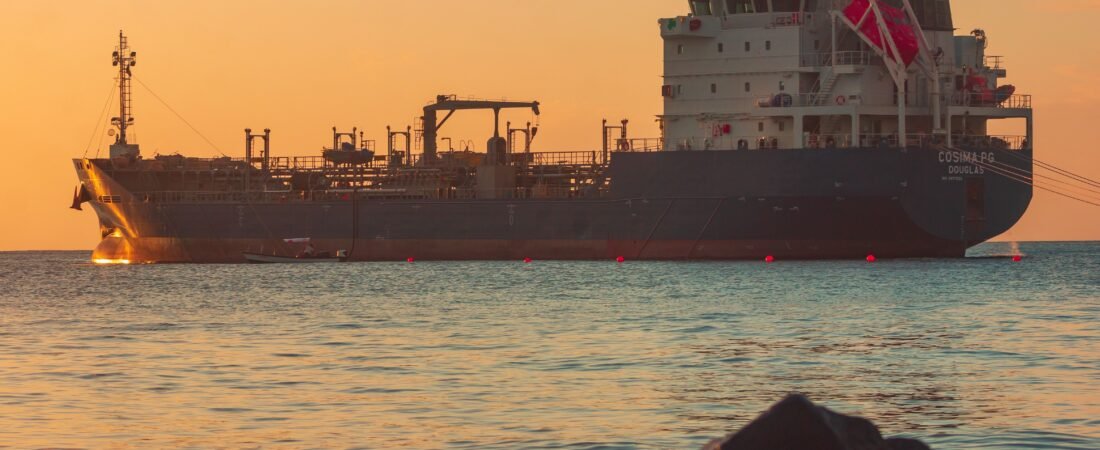
HPCL’s finance chief, Srividya Venkataraman, said shipping a barrel of crude on a Suezmax tanker, a large ship that carries about a million barrels, now costs about $9. Before, it cost $3 to $4.
What that means in simple numbers
The Lion Capital worked out what this means:
- Per barrel: about $5 to $6 more.
- Per tanker trip: a Suezmax carries about 1 million barrels, so each trip now costs about $5 to $6 million more.
- Per litre: a barrel holds 159 litres, so the extra shipping cost is about 3 to 4 US cents for every litre of crude oil.
That is the cost of crude arriving at an Indian port, before it is refined into petrol, diesel or cooking gas.
How HPCL is changing the way it buys oil
To avoid the danger, HPCL is changing how it buys. Instead of sending its own ships into the Gulf, it now mostly buys crude “delivered,” meaning the seller arranges the ship and brings the oil to India, Reuters reported.
“Almost all” of HPCL’s current purchases are now bought this way, its chairman, Vikas Kaushal, told analysts. Before the crisis, only about half were.
Kaushal also said the real impact on HPCL’s costs may be smaller than people think. Producers with oil stuck in the Gulf are under pressure too, he said, so they are offering discounts to get it sold.
Will Indians pay more?
That is still unclear.
Higher shipping costs raise the price refiners pay for crude. Whether that reaches petrol pumps and kitchens depends on many things: world oil prices, the rupee, taxes, and decisions by state-owned oil companies and the government.
There is no official sign yet that fuel prices will rise because of shipping costs. But if the danger in the strait continues for months, refiners will face pressure on their profits, and that pressure has to go somewhere.
What The Lion Capital asked
The Lion Capital put questions in public posts on X on October 24 to HPCL (post), Petroleum Minister Hardeep Singh Puri (post) and energy economist Vibhuti Garg (post). We asked how much higher freight costs have added to India’s oil import costs, and whether any of that cost could reach consumers.
None had responded by the time of publication.
What happens next
Watch three things: new attacks on ships in the strait, the cost of hiring tankers, and the mix of countries India buys oil from. If attacks continue, India may turn back towards Russian oil, which comes by a different route and is now selling at only a small premium to world prices.
For now, the oil is flowing. The question is how long India can afford the journey.
By The Lion Capital Editorial Team | October 2026