
From diabetes treatment and weight loss to side effects, long-term use, weight regain and counterfeit products, here’s what patients need to know about semaglutide in 2026.
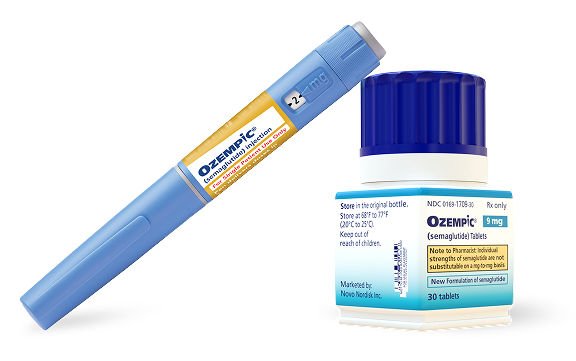
Photo Credit: Ozempic.com / Novo Nordisk Ozempic
What Has Changed in 2026
On January 13, 2026, the FDA formally requested that drugmakers remove the suicidal-thoughts-and-behavior warning from Wegovy, Saxenda, and Zepbound labels, after a comprehensive safety review — covering over 2.2 million patients — found no increased risk. Ozempic’s own diabetes label never carried that specific warning, so this change mainly affects the weight-loss brands.
In December 2025, the World Health Organization issued its first-ever global guideline on GLP-1 therapies for treating obesity, conditionally recommending their long-term use for eligible adults — as part of a comprehensive approach that includes healthy diets, regular physical activity, and support from health professionals.
And on April 30, 2026, the FDA proposed excluding semaglutide, tirzepatide, and liraglutide from its “503B Bulks List” — the ingredients list large-scale outsourcing compounding facilities are allowed to use. That’s a narrower move than it sounds: it targets mass-market compounding, not all compounding. Smaller, patient-specific 503A pharmacies can still legally compound semaglutide for an individual patient under a valid prescription, provided it isn’t “essentially a copy” of the commercially available drug, per Frier Levitt’s regulatory summary. Compounded semaglutide isn’t banned — the legal, narrow pathway is just getting narrower.
What Is Ozempic?
Ozempic is the brand name for semaglutide, a once-weekly injectable medicine made by Novo Nordisk. Semaglutide belongs to a class of drugs called GLP-1 receptor agonists — in plain terms, it copies the action of a natural gut hormone (glucagon-like peptide-1) that your body releases after eating. Ozempic is officially approved to help adults with type 2 diabetes control their blood sugar, and — in the injectable form — to lower the risk of major heart problems in adults with diabetes and heart disease, and to slow worsening kidney disease in certain adults with chronic kidney disease and type 2 diabetes. It is not officially approved just for weight loss — that’s what its sister drug Wegovy is for.
How Does Ozempic Work?
In simple terms, semaglutide acts on a few different systems in the body at once:
- Blood sugar — it helps the pancreas release insulin only when blood sugar is high, so it works “on demand” rather than constantly
- Insulin — it improves how effectively your body uses the insulin it already makes
- Appetite — it acts on hunger centers in the brain, reducing food cravings and “food noise”
- Digestion — it slows down how quickly food leaves your stomach, so you feel fuller for longer
That last effect is also behind several of its most common side effects, which we’ll get to shortly.
Ozempic vs Wegovy vs Rybelsus — What’s the Difference?
This is one of the most common points of confusion, and understandably so — all three contain the exact same active ingredient, semaglutide. The difference is the dose, the form, and what each is officially approved to treat:
- Ozempic — weekly injection, approved for type 2 diabetes
- Wegovy — weekly injection at higher doses, approved for weight management
- Rybelsus — a daily tablet, also approved for type 2 diabetes
Doctors sometimes prescribe Ozempic “off-label” for weight loss because it’s the same drug as Wegovy, just at lower doses — but that use isn’t what it was officially approved for.
Ozempic and Weight Loss
Because semaglutide reduces appetite and slows digestion, weight loss is a common effect of taking it — even though Ozempic itself isn’t marketed for that purpose. Weight loss on Ozempic’s diabetes-approved doses tends to be more modest than on Wegovy’s higher, weight-loss-specific doses, since the primary goal on Ozempic is blood sugar control rather than maximum weight loss.
It’s worth being careful about treating Ozempic as simply a cosmetic weight-loss shortcut. It’s a prescription medicine with real medical risks and monitoring needs, approved for a specific condition. For people focused purely on weight management, Wegovy — which has gone through separate FDA approval for that purpose — is the medically intended option.
How Much Weight Can People Lose?
Results vary a lot between individuals, and it matters which drug and dose you’re actually comparing. Diabetes-dose Ozempic trials generally show smaller average weight loss than the higher-dose obesity trials run for Wegovy, which have shown closer to 15% body weight loss on average, according to the Obesity Medicine Association. It’s important not to mix up diabetes-dose data with the higher-dose obesity trial data — they’re genuinely different treatment regimens, even though the drug is chemically the same.
Common Ozempic Side Effects
The most frequently reported side effects are gastrointestinal, especially when starting the medicine or increasing the dose:
- Nausea
- Vomiting
- Diarrhea
- Constipation
- Abdominal pain
These digestive side effects are, by far, the most common reason patients stop taking the drug. For most people they ease over the first few weeks as the body adjusts.
Serious Ozempic Risks
Beyond the common digestive issues, Ozempic’s official FDA prescribing information lists a number of more serious — though less common — risks:
- Pancreatitis — inflammation of the pancreas, which can cause severe upper stomach pain spreading to the back
- Gallbladder problems — including acute gallbladder disease
- Kidney injury — usually linked to dehydration from vomiting or diarrhea
- Severe gastrointestinal reactions — including a rare but serious bowel blockage called ileus
- Diabetic retinopathy complications — in a large cardiovascular trial, these occurred in 3.0% of Ozempic patients versus 1.8% on placebo
- Serious allergic reactions — including swelling of the face, lips, or throat, which needs emergency care
Anyone experiencing severe abdominal pain, signs of an allergic reaction, or sudden vision changes while on Ozempic should contact a doctor right away.
Ozempic and Thyroid Cancer
Ozempic carries an FDA boxed warning — the agency’s strongest type of warning — about thyroid C-cell tumors, based on findings in rodent studies, according to the official FDA label. In animal testing, semaglutide caused a rare type of thyroid tumor called medullary thyroid carcinoma (MTC). It is not known whether Ozempic causes this in humans, since the biological pathway involved may not translate the same way from rodents to people. Because of this uncertainty, the drug is not recommended for anyone with a personal or family history of MTC or a rare genetic condition called Multiple Endocrine Neoplasia syndrome type 2 (MEN 2).
Ozempic and Vision Problems
There are two separate vision issues worth knowing about, and they’re at very different levels of certainty.
The first — worsening diabetic retinopathy — is an established, labeled risk, seen more often in Ozempic patients than placebo patients in trials, as noted above.
The second is more contested: a rare condition called NAION (nonarteritic anterior ischemic optic neuropathy), which can cause sudden, permanent vision loss in one eye. Some studies — including Danish and Norwegian cohort research — found a higher rate of NAION among semaglutide users. But other large studies, including one published in the American Journal of Ophthalmology, found no meaningful difference in NAION risk between GLP-1 users and non-users. The American Academy of Ophthalmology has been clear that this evidence is still emerging and inconclusive, and it does not currently recommend that people stop taking semaglutide because of it — but anyone who experiences sudden vision loss on the drug should see an ophthalmologist immediately and discuss the risks and benefits of continuing treatment with their care team.
What Happens When You Stop Ozempic?
This is one of the most-asked questions, and the honest answer is: it depends, and the evidence has shifted over time.
Earlier randomized clinical trials — including the STEP 1 extension trial — consistently showed that stopping semaglutide leads to hunger and appetite returning, with participants regaining around two-thirds of their lost weight within a year. That pattern has long been the standard expectation shared by doctors.
A March 2026 real-world study from the Cleveland Clinic, published in Diabetes, Obesity and Metabolism and covering nearly 8,000 patients, told a more mixed story. Among patients originally treated for obesity, average weight regain one year after stopping was small — just 0.5% of body weight. But that average hides real variation: 55% of that group still gained some weight back, while 45% maintained or continued losing. Lead author Dr. Hamlet Gasoyan noted that many patients in real-world care restart the medication or switch to another obesity treatment rather than stopping cold with no follow-up, which likely explains the softer average than in clinical trials. In short: the low average regain isn’t evidence that stopping cold turkey is fine for everyone — it’s largely explained by the fact that most people didn’t actually stop and walk away unsupported.
Does Ozempic Have to Be Taken Forever?
For obesity specifically, WHO’s December 2025 guideline frames things differently than a typical short-term diet: it conditionally recommends GLP-1 medicines as a long-term treatment option — at least six months of continuous treatment — for eligible adults, treating obesity as a chronic, relapsing disease rather than something to be “cured” and stopped. The conditional grading reflects limited evidence on long-term safety, how to eventually taper off, cost, and health-system readiness — not doubts about whether the drugs work.
For type 2 diabetes, whether to continue, adjust, or stop treatment is a decision made with a doctor based on blood sugar control, other health conditions, and how the medicine is tolerated — not something to decide alone.
Ozempic and Diet
Medication doesn’t replace healthy eating habits — most clinicians recommend pairing GLP-1 treatment with attention to protein intake (to help preserve muscle), fiber (to support digestion, which matters more given slower gastric emptying), and adequate hydration (especially important given the kidney-injury risk tied to dehydration from GI side effects). The goal is a generally balanced diet that supports the body through treatment, not a strict separate diet plan layered on top of the medicine.
Ozempic and Exercise
Because semaglutide can cause loss of lean muscle mass alongside fat loss, many doctors now recommend combining treatment with resistance or strength training to help preserve muscle, along with regular walking or other cardio activity. This isn’t just about aesthetics — muscle mass matters for long-term metabolic health, especially in older adults.
Who Should NOT Take Ozempic?
According to the FDA label, Ozempic isn’t suitable for people with:
- A personal or family history of medullary thyroid carcinoma
- Multiple Endocrine Neoplasia syndrome type 2 (MEN 2)
- A history of serious hypersensitivity reactions to semaglutide or similar drugs
- A history of pancreatitis (requires careful physician assessment)
- Pregnancy or plans to become pregnant
Anyone with these conditions, or other significant health issues, needs a full medical assessment before starting treatment.
Ozempic During Pregnancy
Ozempic isn’t recommended during pregnancy, and the FDA’s prescribing information specifically advises that women who are planning a pregnancy should discontinue Ozempic at least two months beforehand, due to how long the drug stays active in the body.
Ozempic and Other Medicines
Because semaglutide slows down how quickly food (and other oral medicines) leave the stomach, it can affect how well other pills are absorbed, including insulin and other diabetes medications. Anyone starting Ozempic should give their doctor a full list of everything else they’re taking, prescription or otherwise, so dosing of other medicines can be adjusted if needed.
Ozempic, Compounded Semaglutide and Fake Products
This has become one of the biggest safety issues around Ozempic in 2026, and it’s worth getting the details right. Because demand outpaced supply for years and drove up prices, many people turned to “compounded” semaglutide — versions custom-made by compounding pharmacies rather than manufactured by Novo Nordisk. The FDA has received reports of adverse events tied to compounded semaglutide and tirzepatide.
As of April 2026, the legal picture narrowed considerably: semaglutide and tirzepatide came off the FDA’s official drug shortage list, closing the shortage-based exception that had let both large 503B outsourcing facilities and smaller 503A pharmacies mass-produce “essentially a copy” of the branded drugs. On top of that, the FDA’s late-April proposal would permanently bar 503B outsourcing facilities from using semaglutide in bulk compounding altogether. What remains legal is narrower and more limited: a 503A pharmacy compounding a patient-specific version under an individual prescription, for a genuine documented medical need — not mass production sold at scale online. Compounded semaglutide isn’t outright banned, but the easy, large-scale version of it effectively is.
Ozempic and the Online Black Market
Alongside compounded products, outright counterfeit Ozempic has become a global concern. The FDA has seized counterfeit units sold outside Novo Nordisk’s authorized supply chain, and the World Health Organization issued an alert after detecting falsified batches of Ozempic circulating in Brazil and the United Kingdom, according to AJMC’s provider guidance. Because neither Novo Nordisk nor regulators can verify what’s actually inside a counterfeit pen, using one carries real, unpredictable risk. The consistent advice from health authorities: only buy Ozempic with a genuine prescription, from a state-licensed pharmacy, and be wary of “cheap Ozempic” sold through social media ads or unfamiliar websites.
Ozempic in India and Around the World
Access and pricing look very different depending on where you are. Ozempic officially launched in India in December 2025 as a Schedule H prescription-only medicine. Semaglutide’s patent protection in India expired in March 2026, opening the door for Indian drugmakers including Sun Pharma, Dr Reddy’s, Zydus, and Alkem to launch their own generic versions at a fraction of the branded price. In response, Novo Nordisk India announced that, effective April 1, 2026, it was cutting the starting-dose price of Ozempic by 36% and Wegovy by 48% — on top of an earlier roughly 37% cut to Wegovy in late 2025 — bringing the entry dose of both drugs down to about ₹202 a day. At the same time, India’s Health Ministry issued a public warning about the unregulated, on-demand sale of these drugs through retail pharmacies, online platforms, and wellness clinics without proper medical supervision. This mirrors a broader global pattern: wherever GLP-1 demand is high and prices are steep, unauthorized and unsupervised access tends to follow — which is exactly why regulators everywhere keep repeating the same core message: get it from a licensed prescriber, not a shortcut.
Ozempic vs Mounjaro/Zepbound
Ozempic and Mounjaro (tirzepatide) are often compared, and they work a bit differently — Mounjaro/Zepbound act on two gut hormones (GLP-1 and GIP) instead of one. Several real-world studies, including research from data company Truveta, have found that tirzepatide tends to produce greater average weight loss than semaglutide at typical doses. That said, there’s no universal “winner” — individual response varies significantly, and factors like side-effect tolerance, insurance coverage, and a person’s specific health profile often matter more than trial averages when a doctor is deciding between the two.
The Ozempic Boom
GLP-1 drugs went from a diabetes-clinic medicine to a global cultural phenomenon in just a few years, driven by a mix of genuinely strong clinical results, celebrity and social-media visibility, and a broader shift in how obesity itself is being framed — the WHO’s own December 2025 guideline explicitly describes obesity as a chronic, relapsing disease rather than a matter of willpower, a framing that’s reshaping how both doctors and the public talk about weight treatment.
The Mental and Social Side of Ozempic
That cultural visibility has a downside too. Rapid, medication-driven weight loss has become tangled up with body image pressures and a “quick fix” perception in public conversation, which can be unfair both to people managing a genuine chronic illness and to people who choose not to use these drugs at all. It’s worth remembering these are prescription medicines for real medical conditions, not lifestyle accessories — and that framing matters for how patients are treated and supported.
What Doctors Want Patients to Understand
Across the sources reviewed for this piece, a consistent message comes through from clinicians and regulators alike: these are serious prescription medicines that need proper diagnosis, ongoing monitoring, and realistic expectations, not casual off-label use sourced online. The WHO’s own guidance is explicit that medication should be combined with structured lifestyle support, not used as a stand-alone solution.
The Future of GLP-1 Drugs
The field is moving fast. Next-generation drugs combining multiple hormone targets are already in development, alongside oral versions, higher-dose formulations, and research into broader uses beyond diabetes and obesity. Regulatory attention — from the FDA’s compounding rules to WHO’s new global guideline — suggests the next phase of this drug class will be defined as much by oversight as by the science itself.
This article is for general information only and isn’t a substitute for advice from your own doctor or pharmacist. Talk to a qualified healthcare provider before starting, changing, or stopping any medication.
By The Lion Capital Editorial Team | October 2026